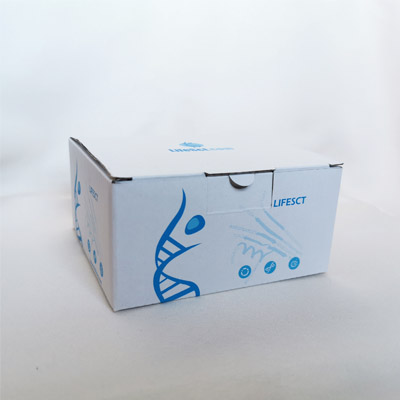
1. Pre-coated, ready to use 96-well strip plate 1
2. Plate sealer for 96 wells 2
3. Standard 2
4. Diluents buffer: 1×45 mL
5. Detection Reagent A: 1×120 μL
6. Detection Reagent B: 1×120 μL
7. TMB Substrate: 1×9 mL
8. Stop Solution: 1×6 mL
9. Wash Buffer (30× concentrate): 1×20 mL
Background
Apolipoprotein H, also known as beta-2-glycoprotein I, is a component of circulating plasma lipoproteins. It has been implicated in a variety of physiologic pathways including lipoprotein metabolism, coagulation, hemostasis, and the production of antiphospholipid autoantibodies. APOH may be a required cofactor for anionic phospholipid binding by the antiphospholipid autoantibodies found in sera of many patients with lupus and primary antiphospholipid syndrome (APS). The anti-beta (2) glycoprotein I antibodies from APS patients, mediate inhibition of activated protein C which has anticoagulant properties. Because beta-2-GPI is the main autoantigen in patients with APS, the disruption of this pathway by autoantibodies may be an important mechanism for thrombosis in patients with APS