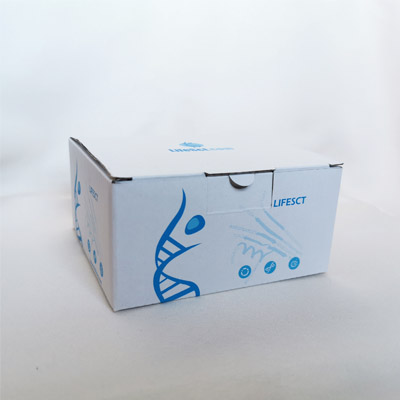
serum, plasma, cell culture supernates or other biological fluids.
Experimental method:
Sandwich
Shelf life:
16 months
Gene ID:
3630
UniProt ID:
P01308
Components:
1. Pre-coated, ready to use 96-well strip plate 1
2. Plate sealer for 96 wells 2
3. Standard 2
4. Standard Diluent 1×10 mL
5. Detection Solution A 1×6 mL
6. Detection Solution B 1×6 mL
7. TMB Substrate 1×4.5 mL
8. Stop Solution: 1×3 mL
9. Wash Buffer (30× concentrate): 1×10 mL
Background
This gene encodes insulin, a peptide hormone that plays a vital role in the regulation of carbohydrate and lipid metabolism. After removal of the precursor signal peptide, proinsulin is post-translationally cleaved into three peptides: the B chain and A chain peptides, which are covalently linked via two disulfide bonds to form insulin, and C-peptide. Binding of insulin to the insulin receptor (INSR) stimulates glucose uptake. A multitude of mutant alleles with phenotypic effects have been identified, including insulin-dependent diabetes mellitus, permanent neonatal diabetes diabetes mellitus, maturity-onset diabetes of the young type 10 and hyperproinsulinemia. There is a read-through gene, INS-IGF2, which overlaps with this gene at the 5' region and with the IGF2 gene at the 3' region.