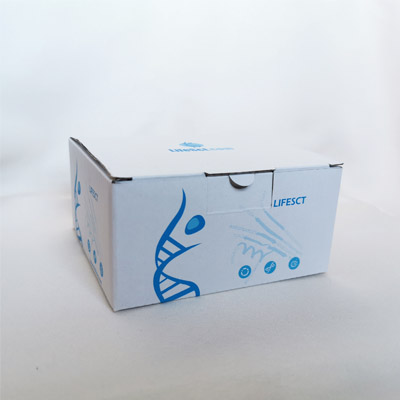
LPSB; SP56; hSBP; hSP56; SBP56; 56 kDa selenium-binding protein
Species:
Human
Sample type:
serum, plasma, tissue homogenates or other biological fluids.
Experimental method:
Sandwich
Shelf life:
12 months
Gene ID:
8991
UniProt ID:
Q13228
Components:
1. Pre-coated, ready to use 96-well strip plate 1
2. Plate sealer for 96 wells 2
3. Standard 2
4. Diluents buffer: 1×45 mL
5. Detection Reagent A: 1×120 μL
6. Detection Reagent B: 1×120 μL
7. TMB Substrate: 1×9 mL
8. Stop Solution: 1×6 mL
9. Wash Buffer (30× concentrate): 1×20 mL
Background
This tumor suppressor gene encodes the iron-sulfur protein subunit of the succinate dehydrogenase (SDH) enzyme complex which plays a critical role in mitochondria. The SDH enzyme complex is composed of four nuclear-encoded subunits. This enzyme complex converts succinate to fumarate which releases electrons as part of the citric acid cycle, and the enzyme complex additionally provides an attachment site for released electrons to be transferred to the oxidative phosphorylation pathway. The SDH enzyme complex plays a role in oxygen-related gene regulation through its conversion of succinate, which is an oxygen sensor that stabilizes the hypoxia-inducible factor 1 (HIF1) transcription factor. Sporadic and familial mutations in this gene result in paragangliomas, pheochromocytoma, and gastrointestinal stromal tumors, supporting a link between mitochondrial dysfunction and tumorigenesis. Mutations in this gene are also implicated in nuclear type 4 mitochondrial complex II deficiency.