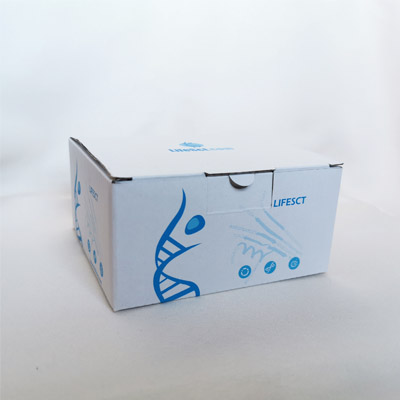
PPAR-G; PPARG1; PPARG2; NR1C3; Glitazone Receptor; Nuclear Receptor Subfamily 1 Group C Member 3
Species:
Mouse
Sample type:
serum, plasma, tissue homogenates, cell lysates, cell culture supernates or other biological fluids.
Experimental method:
Sandwich
Shelf life:
12 months
Gene ID:
19016
UniProt ID:
P37238
Component:
1. Pre-coated, ready to use 96-well strip plate 1
2. Plate sealer for 96 wells 2
3. Standard 2
4. Diluents buffer: 1×45 mL
5. Detection Reagent A: 1×120 μL
6. Detection Reagent B: 1×120 μL
7. TMB Substrate: 1×9 mL
8. Stop Solution: 1×6 mL
9. Wash Buffer (30× concentrate): 1×20 mL
Background
This gene encodes a nuclear receptor protein belonging to the peroxisome proliferator-activated receptor (Ppar) family. The encoded protein is a ligand-activated transcription factor that is involved in the regulation of adipocyte differentiation and glucose homeostasis. The encoded protein forms a heterodimer with retinoid X receptors and binds to DNA motifs termed "peroxisome proliferator response elements" to either activate or inhibit gene expression. Mice lacking the encoded protein die at an embryonic stage due to severe defects in placental vascularization. When the embryos lacking this gene are supplemented with healthy placentas, the mutants survive to term, but succumb to lipodystrophy and multiple hemorrhages. Alternative splicing results in multiple transcript variants encoding different isoforms.