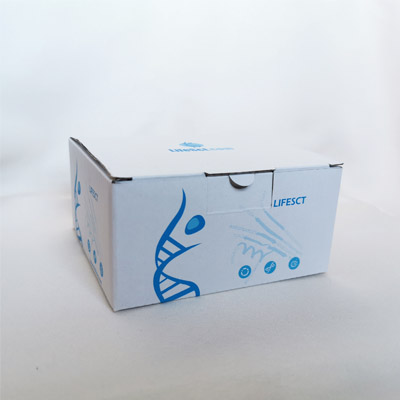
tissue homogenates, cell lysates or other biological fluids.
Experimental method:
Sandwich
Shelf life:
12 months
Gene ID:
20869
UniProt ID:
Q9WTK7
Components:
1. Pre-coated, ready to use 96-well strip plate 1
2. Plate sealer for 96 wells 2
3. Standard 2
4. Diluents buffer: 1×45 mL
5. Detection Reagent A: 1×120 μL
6. Detection Reagent B: 1×120 μL
7. TMB Substrate: 1×9 mL
8. Stop Solution: 1×6 mL
9. Wash Buffer (30× concentrate): 1×20 mL
Background
This gene encodes a member of the serine/threonine kinase family. The encoded protein, a known tumor suppressor, activates (via phosphorylation) adenine monophosphate-activated protein kinase (AMPK) and AMPK-related kinase proteins. This upstream regulation of the AMPK pathway is thought to regulate a number of different processes, including cell metabolism, cell polarity, apoptosis and DNA damage response. Mutations in a similar gene in human have been associated with Peutz-Jeghers syndrome. Alternative splicing results in multiple transcript variants, including the S isoform which plays a potential role in spermiogenesis.