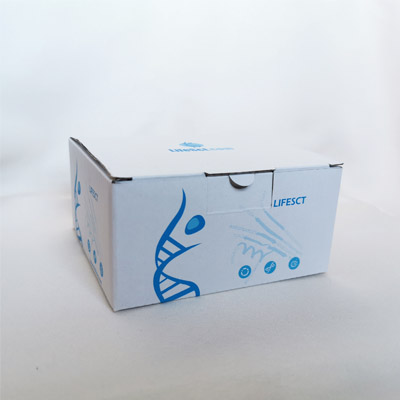
serum, plasma, tissue homogenates, cell lysates, cell culture supernates or other biological fluids.
Experimental method:
Sandwich
Shelf life:
16 months
Gene ID:
21926
UniProt ID:
P06804
Components:
1. Pre-coated, ready to use 96-well strip plate 1
2. Plate sealer for 96 wells 2
3. Standard 2
4. Standard Diluent 1×10 mL
5. Detection Solution A 1×6 mL
6. Detection Solution B 1×6 mL
7. TMB Substrate 1×4.5 mL
8. Stop Solution: 1×3 mL
9. Wash Buffer (30× concentrate): 1×10 mL
Background
This gene encodes a multifunctional proinflammatory cytokine that belongs to the tumor necrosis factor (TNF) superfamily. Members of this family are classified based on primary sequence, function, and structure. This protein is synthesized as a type-II transmembrane protein and is reported to be cleaved into products that exert distinct biological functions. It plays an important role in the innate immune response as well as regulating homeostasis but is also implicated in diseases of chronic inflammation. In mouse deficiency of this gene is associated with defects in response to bacterial infection, with defects in forming organized follicular dendritic cell networks and germinal centers, and with a lack of primary B cell follicles. Alternative splicing results in multiple transcript variants.