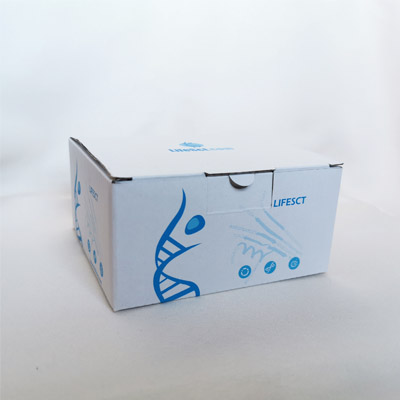
1. Pre-coated, ready to use 96-well strip plate 1
2. Plate sealer for 96 wells 2
3. Standard 2
4. Diluents buffer: 1×45 mL
5. Detection Reagent A: 1×120 μL
6. Detection Reagent B: 1×120 μL
7. TMB Substrate: 1×9 mL
8. Stop Solution: 1×6 mL
9. Wash Buffer (30× concentrate): 1×20 mL
Background
This gene encodes a neuropeptide of the glucagon/secretin superfamily with potent bronchodilator, immunomodulator and anti-inflammatory properties. The encoded protein is proteolytically processed to generate two structurally similar neuropeptides - vasoactive intestinal peptide (VIP) and peptide histidine isoleucine (PHI). In the digestive tract, VIP stimulates relaxation of enteric smooth muscle, secretion of water and electrolytes, release of insulin and glucagon, and inhibition of gastric acid secretion. In the cardiovascular system, VIP causes coronary vasodilation and stimulates contractility in the heart. Mice lacking VIP exhibit airway hyperresponsiveness and airway inflammation. Male mice lacking VIP exhibit moderate pulmonary arterial hypertension resulting in increased mortality. Alternative splicing results in multiple transcript variants encoding different isoforms.