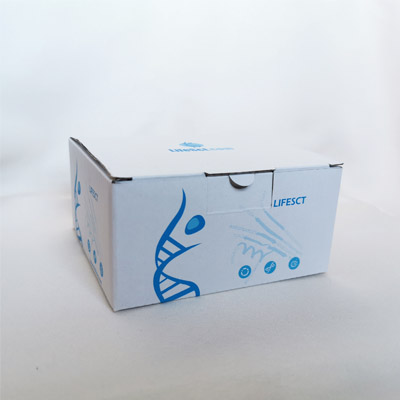
serum, plasma, tissue homogenates, cell lysates, cell culture supernates or other biological fluids.
Experimental method:
Sandwich
Shelf life:
12 months
Gene ID:
24225
UniProt ID:
P23363
Components:
1. Pre-coated, ready to use 96-well strip plate 1
2. Plate sealer for 96 wells 2
3. Standard 2
4. Diluents buffer: 1×45 mL
5. Detection Reagent A: 1×120 μL
6. Detection Reagent B: 1×120 μL
7. TMB Substrate: 1×9 mL
8. Stop Solution: 1×6 mL
9. Wash Buffer (30× concentrate): 1×20 mL
Background
Enables neurotrophin TRKB receptor binding activity. Involved in several processes, including behavioral response to cocaine; cellular response to norepinephrine stimulus; and regulation of neuronal synaptic plasticity. Acts upstream of or within positive regulation of DNA-binding transcription factor activity; positive regulation of glucocorticoid receptor signaling pathway; and positive regulation of peptidyl-serine phosphorylation. Located in several cellular components, including mitochondrial crista; perikaryon; and secretory vesicle. Used to study several diseases, including alcohol dependence; cystitis; eye disease (multiple); neuropathy (multiple); and status epilepticus. Biomarker of several diseases, including alcohol dependence; alcohol use disorder; amphetamine abuse; anxiety disorder (multiple); and attention deficit hyperactivity disorder. Human ortholog(s) of this gene implicated in several diseases, including cocaine dependence; cognitive disorder (multiple); congenital central hypoventilation syndrome; neurodegenerative disease (multiple); and obstructive sleep apnea. Orthologous to human BDNF (brain derived neurotrophic factor).