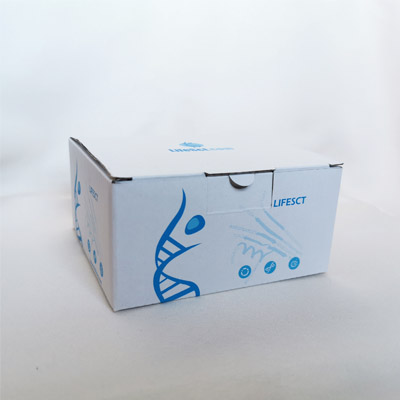
serum, plasma, tissue homogenates or other biological fluids.
Experimental method:
Sandwich
Shelf life:
12 months
Gene ID:
171293
UniProt ID:
P24268
Components:
1. Pre-coated, ready to use 96-well strip plate 1
2. Plate sealer for 96 wells 2
3. Standard 2
4. Diluents buffer: 1×45 mL
5. Detection Reagent A: 1×120 μL
6. Detection Reagent B: 1×120 μL
7. TMB Substrate: 1×9 mL
8. Stop Solution: 1×6 mL
9. Wash Buffer (30× concentrate): 1×20 mL
Background
Enables several functions, including alpha-catenin binding activity; delta-catenin binding activity; and ionotropic glutamate receptor binding activity. Involved in several processes, including cellular response to insulin-like growth factor stimulus; cellular response to lithium ion; and cellular response to mechanical stimulus. Located in several cellular components, including dendritic shaft; intercalated disc; and lateral plasma membrane. Part of protein-containing complex. Used to study colon adenocarcinoma and lung carcinoma. Biomarker of Alzheimer's disease and colorectal cancer. Human ortholog(s) of this gene implicated in several diseases, including autosomal dominant intellectual developmental disorder 19; exudative vitreoretinopathy 7; hepatocellular carcinoma (multiple); reproductive organ cancer (multiple); and urinary system cancer (multiple). Orthologous to human CTNNB1 (catenin beta 1).