PPAR-G; PPARG1; PPARG2; NR1C3; Glitazone Receptor; Nuclear Receptor Subfamily 1 Group C Member 3
Species:
Rat
Sample type:
serum, plasma, tissue homogenates, cell lysates, cell culture supernates or other biological fluids.
Experimental method:
Sandwich
Shelf life:
12 months
Gene ID:
25664
UniProt ID:
O88275
Components:
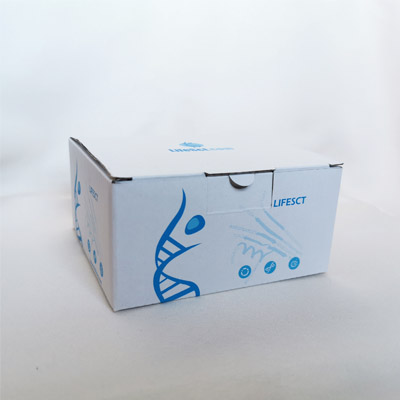
1. Pre-coated, ready to use 96-well strip plate 1
2. Plate sealer for 96 wells 2
3. Standard 2
4. Diluents buffer: 1×45 mL
5. Detection Reagent A: 1×120 μL
6. Detection Reagent B: 1×120 μL
7. TMB Substrate: 1×9 mL
8. Stop Solution: 1×6 mL
9. Wash Buffer (30× concentrate): 1×20 mL
Background
Enables several functions, including nuclear estrogen receptor binding activity; protein phosphatase binding activity; and transcription coactivator binding activity. Involved in several processes, including cellular response to hyperoxia; positive regulation of cell differentiation; and positive regulation of metabolic process. Acts upstream of or within negative regulation of cardiac muscle hypertrophy in response to stress; negative regulation of connective tissue replacement involved in inflammatory response wound healing; and positive regulation of adiponectin secretion. Located in perinuclear region of cytoplasm. Used to study several diseases, including acute kidney failure; artery disease (multiple); glomerulosclerosis; pancreatitis; and transient cerebral ischemia. Biomarker of several diseases, including alcoholic cardiomyopathy; diabetic encephalopathy; hyperandrogenism; obesity; and steatotic liver disease. Human ortholog(s) of this gene implicated in several diseases, including cardiovascular system disease (multiple); end stage renal disease; lipodystrophy (multiple); obesity; and type 2 diabetes mellitus. Orthologous to human PPARG (peroxisome proliferator activated receptor gamma).